>>
30-MINUTE MEALS! Get the email series now →


A bright, buttery lemon caper sauce that lifts fish, chicken, and pasta with zesty citrus, briny capers, and a silky finish. Ready in 20 minutes.

I first learned this balance of lemon, butter, and capers from a coastal trattoria while traveling, and I tweak it at home for my family. They love how the sauce livens plain steamed vegetables and makes leftover chicken sing. Every time I serve it I get comments about how the sauce tastes like summer even in midwinter.
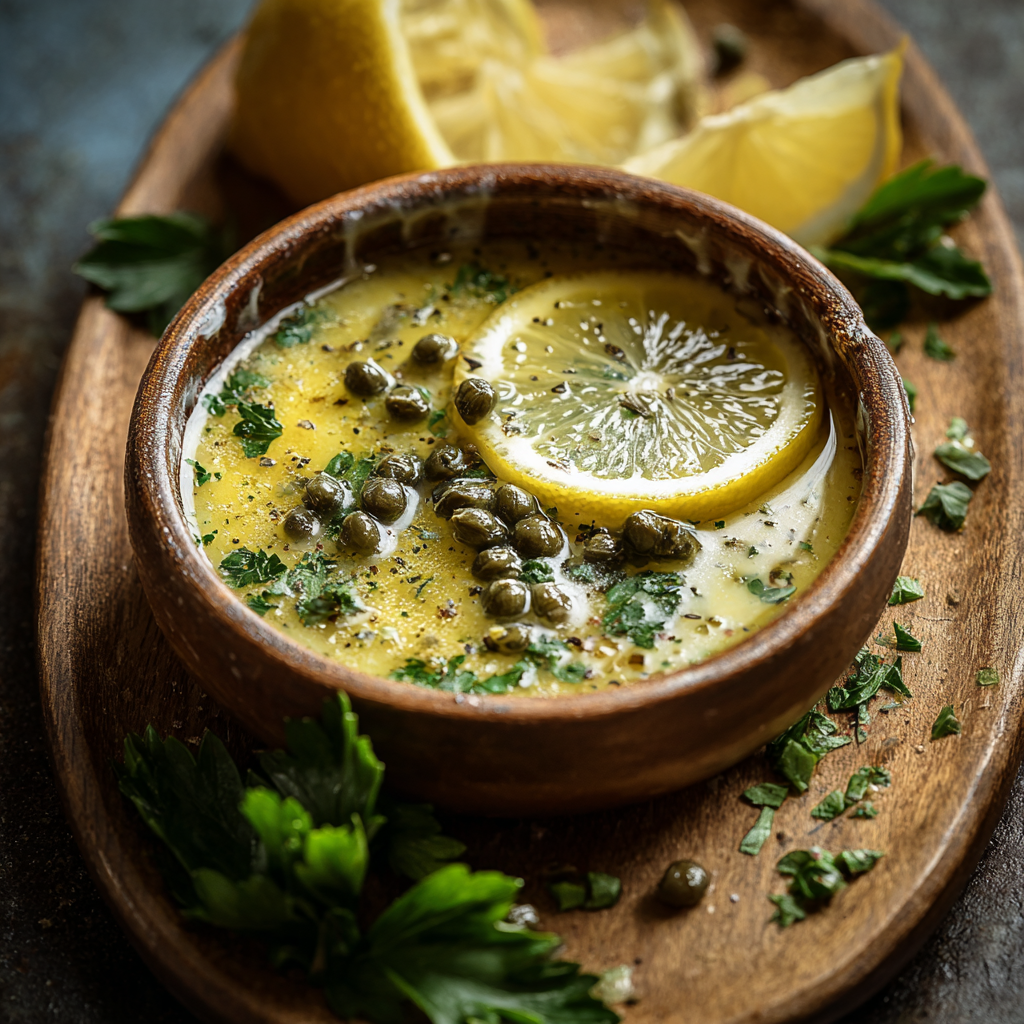
My favorite aspect is how forgiving the sauce is. Once you master the timing for reducing the wine and adding butter off the heat, the result is reliably glossy and balanced. Family gatherings often request doubling the batch because it disappears quickly. I remember serving it over roasted salmon for a casual birthday dinner and everyone asked for seconds and the recipe. The capers create little bursts of flavor people remember long after the meal.
Allow the sauce to cool to just warm before transferring to an airtight container. Refrigerate for up to two days for best flavor. For longer storage freeze in ice cube trays or small containers, then transfer cubes to a resealable bag for up to three months. Reheat gently over low heat and whisk to recombine, adding a splash of stock or water to restore texture if separation occurs. Avoid microwaving on high which can break the emulsion. Look for fresh lemon aroma and no sour smell as indicators the sauce remains good.
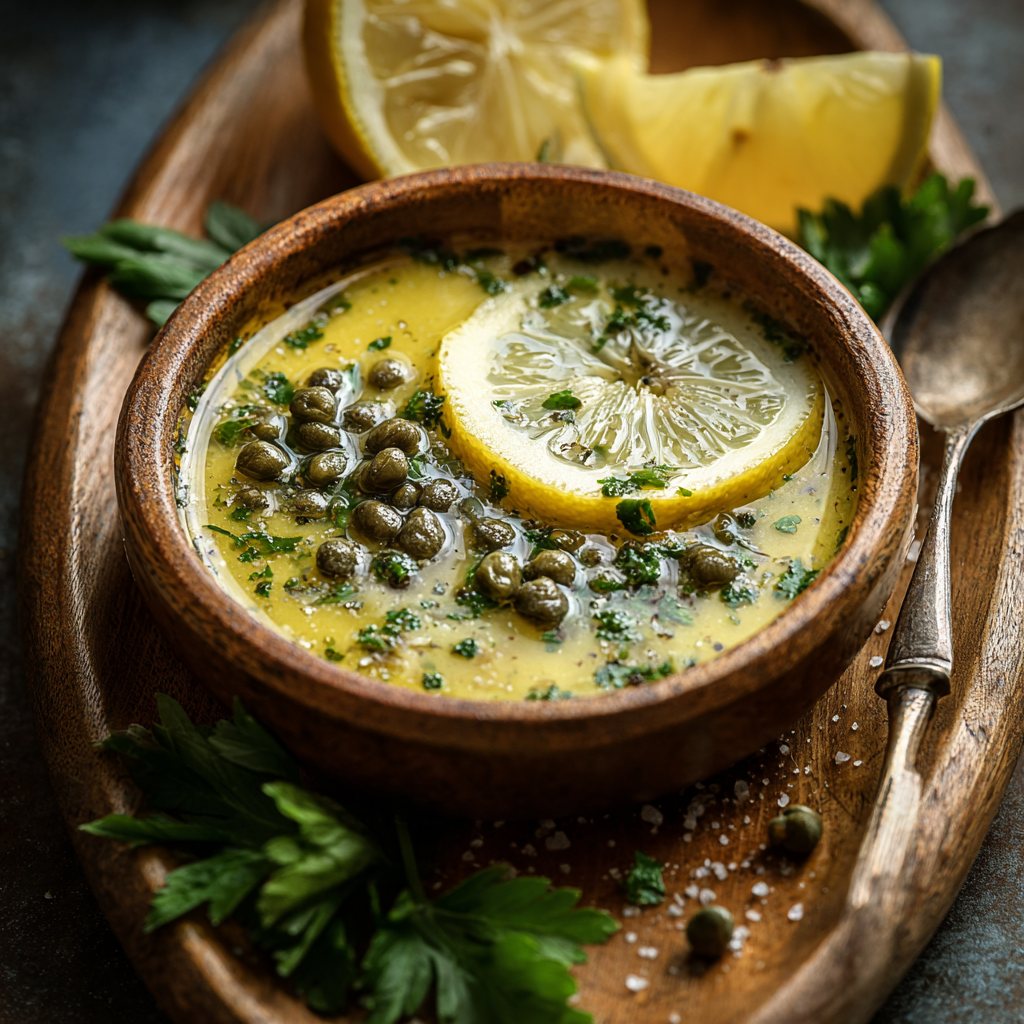
If you do not use butter substitute 2 additional tablespoons olive oil for a dairy free approach and finish with a touch of vegan butter if desired. Swap chicken stock for vegetable stock to keep the sauce vegetarian. Replace white wine with 1/3 cup additional stock and 1 tablespoon white wine vinegar if you prefer no alcohol; reduce briefly to integrate the vinegar. For a bolder briny note add 1 to 2 tablespoons chopped kalamata olives instead of capers. Heavy cream is optional and you can omit it for a purer lemon butter finish, trading a slightly thinner texture for brighter acidity.
Serve spooned over seared or baked white fish such as cod, halibut, or tilapia. It also complements pan roasted chicken breasts and pork chops. Toss with 8 ounces cooked linguine and 1/4 cup reserved pasta water for a quick pasta main and finish with an additional sprinkle of parsley. For a vegetarian plate serve with roasted asparagus or steamed green beans. Garnish with lemon slices and extra capers for dramatic plating. Pair with a crisp white wine and simple arugula salad dressed in olive oil and lemon for a complete meal.
The combination of lemon and capers is rooted in Mediterranean and Italian seaside cooking where bright citrus and preserved flavors balance fresh seafood. Capers have been used for centuries to add tang and umami to dishes where fresh salt was scarce. This simple pan sauce mirrors techniques used in coastal trattorias where a quick pan reduction with wine and butter becomes the classic way to finish fish. The technique celebrates local citrus and preserved accompaniments that emphasize freshness over heavy seasoning.
In spring and summer use the freshest lemons and pair the sauce with grilled seasonal vegetables and light fish. In autumn and winter swap the white wine for a splash of good quality sherry for a deeper flavor and serve over roasted root vegetables or winter greens. During holidays add a teaspoon of chopped dill for a festive herb note, or fold in roasted garlic for a sweeter, mellow backdrop that pairs with richer mains.
Make a double batch and portion into small jars for quick reheating over the week. Keep jars chilled and reheat gently on the stovetop, stirring in a tablespoon or two of warm stock to re-emulsify if needed. For lunches pack a grilled protein and a container of steamed vegetables alongside a small jar of sauce. When pressed for time use frozen lemon zest and a jar of drained capers for quick assembly. Label containers with date and contents to keep track of freshness.
This lemon caper sauce is a small technique with a big impact. Whether you are lifting a weeknight fillet or dressing up leftovers, it becomes a reliable favorite to keep in your cooking repertoire. Make it your own by adjusting the acid and brine to suit your palate and enjoy the way simple elements can transform a meal.
Add butter off the heat and whisk to emulsify for a glossy finish and to prevent separation.
Reserve a few tablespoons of pasta water to loosen the sauce and help it cling to noodles.
Rinse capers briefly if very salty and taste before adding additional salt to the sauce.
Use fresh lemon zest for aromatic oils that boost the impression of freshness.
This nourishing simple lemon caper sauce recipe is sure to be a staple in your kitchen. Enjoy every moist, high protein slice — it is perfect for breakfast or as a wholesome snack any time.
Yes. Refrigerate in a sealed container for up to two days. For longer storage freeze in small portions for up to three months.
Yes. Use 1/3 cup additional stock and 1 tablespoon white wine vinegar in place of wine and reduce briefly.
This Simple Lemon Caper Sauce recipe makes perfectly juicy, tender, and flavorful steak every time! Serve with potatoes and a side salad for an unforgettable dinner in under 30 minutes.
Heat a medium skillet over medium heat and add the olive oil and half the butter. When butter foams add minced garlic and shallot. Sauté until fragrant and translucent, 1 to 2 minutes, avoiding browning.
Pour in the white wine and stir to lift any browned bits from the pan. Simmer until reduced by about half, 2 to 3 minutes. This concentrates flavor and cooks off alcohol.
Stir in lemon juice, lemon zest, and capers and simmer briefly for 30 to 60 seconds to marry flavors without losing brightness.
Add stock or reserved pasta water and simmer 1 to 2 minutes until slightly reduced. Off the heat whisk in remaining butter to emulsify. Optionally whisk in cream for richness. Stir in parsley and season to taste.
Spoon the sauce over seared fish, roasted chicken, steamed vegetables, or tossed pasta. Serve hot for best texture and flavor.
Last Step: Please leave a rating and comment letting us know how you liked this recipe! This helps our business to thrive and continue providing free, high-quality recipes for you.
Leave a comment & rating below or tag
@cozycookscorner on social media!
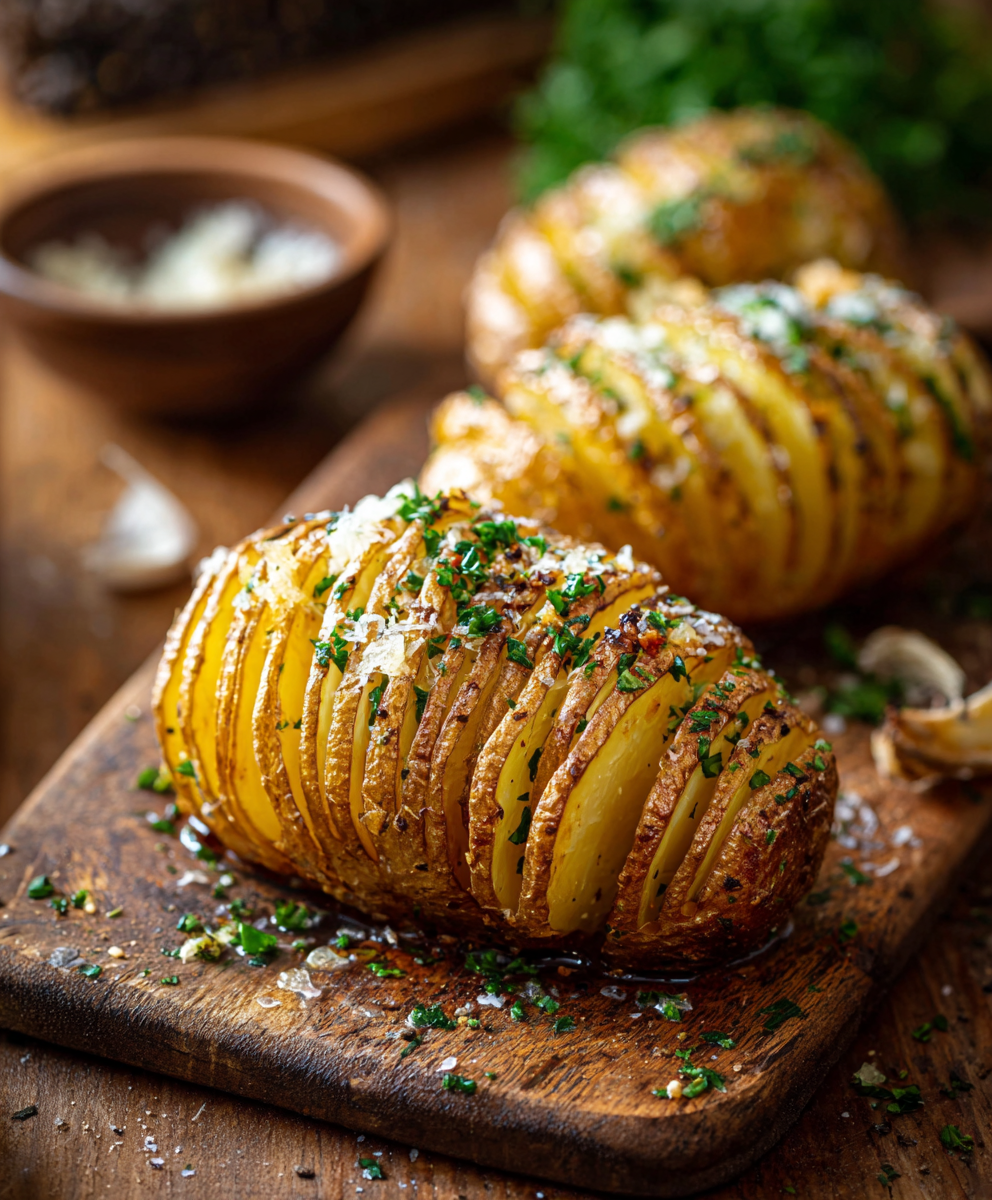
Thinly sliced, buttery, and golden-brown Hasselback potatoes—an easy, show-stopping side that crisps on the outside and stays tender inside.

A vibrant oven baked dish of roasted tomatoes, tender feta, wilted spinach and baked eggs. Bright, tangy and perfect for breakfast or brunch with crusty bread.
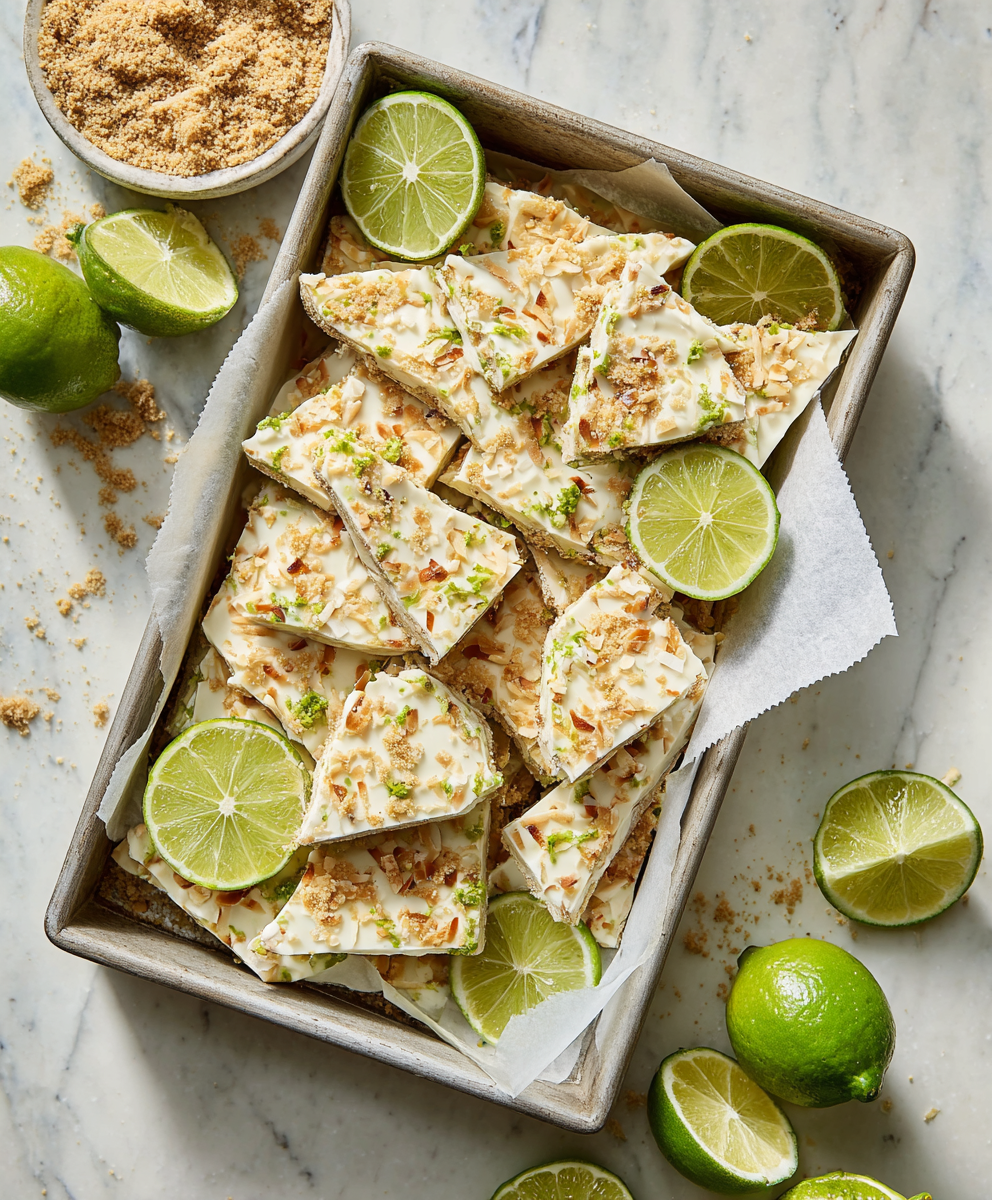
A bright, protein-packed frozen treat that captures the tart-sweet charm of key lime pie in a simple yogurt bark — perfect for hot days, make-ahead snacks, and gluten-free diets.
Leave a comment & rating below or tag @cozycookscorner on social media!
Enjoyed this recipe? Share it with friends and family, and don't forget to leave a review!
This recipe looks amazing! Can't wait to try it.
Comments are stored locally in your browser. Server comments are displayed alongside your local comments.

Join to receive our email series which contains a round-up of some of our quick and easy family favorite recipes.