>>
30-MINUTE MEALS! Get the email series now →


Light, flaky, buttery croissants made from scratch with a classic laminated dough technique — perfect for weekend baking and special breakfasts.

This recipe for classic French croissants is my celebration of slow mornings and the small rituals that turn ordinary weekends into memorable ones. I first learned the lamination technique on a rainy Saturday in Paris, watching a baker fold sheets of butter into dough until the whole kitchen smelled like warm butter and caramelizing sugar. Back home I practiced until the rhythm of rolling, folding, and resting felt like a familiar song. The result is a croissant with a crisp, crackling crust and a soft, layered interior that pulls apart in delicate sheets.
These pastries matter because they’re equal parts technique and patience. You can measure every step, but the magic happens when the butter stays cold, the dough rests long enough, and your oven transforms tiny pockets of steam into flaky layers. I like making a double batch and freezing unbaked croissants for weekday mornings — a quick bake and breakfast feels like a treat. Family and friends always comment on the glossy exterior and the tender interior. For special occasions, I fill them with almond cream or ham and Gruyère, but they’re just as wonderful plain with butter and jam.
Personally, the most rewarding moment is when the oven springs open and a tray of golden crescents appears. My partner still remembers the first time I made them and how the kitchen smelled like a small French bakery; our dog tried to beg politely but was gently escorted away. Over the years I’ve refined folding timing and proofing cues so my croissants come out reliably even when I’m juggling a busy weekend.

My favorite aspect is the suspense during the first oven spring. Over the years neighbors have knocked to ask when the buttery aroma will arrive; on a chilly morning there’s nothing more comforting than passing a plate of warm croissants around the table while coffee brews. The few hours of work pay off in the flaky layers and a sense of accomplishment that makes sharing them even sweeter.
Store leftover croissants at room temperature in a paper bag for up to 24 hours to preserve the crisp exterior; for longer storage, freeze fully cooled croissants in an airtight container for up to one month. Reheat frozen croissants in a 350°F oven for 8–10 minutes until warmed through and crisped. Avoid microwaving — it softens the crust and ruins the flaky texture. For unbaked shaped croissants, flash-freeze on a tray and then transfer to a freezer bag; bake from frozen adding a few extra minutes to the bake time.
If you can’t find European-style butter, use any high-fat unsalted butter and increase chilling time between turns to keep the butter from bleeding. Substitute up to half the all-purpose flour with bread flour for a slightly chewier interior and stronger gluten network. For dairy-free adaptations, plant-based laminated pastries require specialized vegan butters with similar plasticity; expect different flavor and slightly altered lamination behavior. Instant yeast can replace active dry yeast — mix it with the dry ingredients and reduce proofing time slightly.
Serve plain with butter and jam, or slice and fill with almond cream for classic almond croissants. For savory options, slice and add slices of ham and Gruyère, then warm briefly under the broiler to melt. Pair with strong coffee, flat white, or a sparkling fruit juice for brunch. Garnish with a light dusting of powdered sugar for sweet versions or flaky sea salt for savory variations.

Although associated with France, the croissant’s ancestors trace back to Central Europe — a layered, crescent-shaped pastry influenced by Viennese bakers. Over centuries it evolved in technique and symbolism, becoming emblematic of French patisserie culture in the 19th century. Traditional methods emphasize lamination and butter quality; regional variations include filled versions with almond paste, chocolate, or ham and cheese. Baking them at home links modern cooks to a rich culinary history of craftsmanship.
In spring, fold in lemon zest or a light strawberry jam after baking for a bright finish. Autumn calls for a touch of cinnamon or a pear and almond filling. For winter holiday brunches, brush finished croissants with a thin glaze made from orange juice and powdered sugar, or transform them into a bread pudding-style strata for festive gatherings. Seasonal produce can be paired with savory fillings like roasted squash and sage.
Plan your work in stages: make the dough in the evening and perform the first two turns the next morning. Shape and freeze the pastries for future use. Use a digital thermometer to keep milk and butter within ideal temperatures and a bench scraper to keep edges neat during trimming. Label frozen trays with dates and bake from frozen for fresh results in under 25 minutes.
Making these croissants at home is a rewarding exercise in patience and technique. Whether you bake as a weekend ritual or prepare trays for guests, each golden crescent carries the satisfaction of time well spent and tradition honored. Enjoy the process, and don’t be afraid to experiment with fillings and finishes to make the recipe your own.
Keep butter and dough cold throughout lamination to maintain distinct layers.
Use a digital thermometer: milk for yeast should be 105–110°F and oven preheated to 400°F for baking.
Freeze shaped croissants on a tray, then transfer to a bag to store unbaked for quick future bakes.
When rolling, rotate the dough 90 degrees between turns to keep layers even and prevent sticking.
This nourishing homemade french croissants recipe is sure to be a staple in your kitchen. Enjoy every moist, high protein slice — it is perfect for breakfast or as a wholesome snack any time.
This Homemade French Croissants recipe makes perfectly juicy, tender, and flavorful steak every time! Serve with potatoes and a side salad for an unforgettable dinner in under 30 minutes.
Combine dry ingredients, proof yeast in warm milk, mix with melted butter, knead until smooth, shape into a disk and chill 30 minutes.
Shape 1 cup cold butter into a 6 x 6-inch square between parchment and chill until firm but pliable.
Encase the butter in rolled dough, perform a letter fold and roll 3 times total with 30 minutes chill between each turn to create many layers.
Roll dough to 1/8–1/4 inch, cut triangles, roll from base to tip, tuck the tip underneath, and place on parchment-lined sheets.
Proof shaped pastries until puffy (about 1.5–2 hours), brush with egg wash, and bake at 400°F for 12–18 minutes until deep golden.
Last Step: Please leave a rating and comment letting us know how you liked this recipe! This helps our business to thrive and continue providing free, high-quality recipes for you.
Leave a comment & rating below or tag
@cozycookscorner on social media!
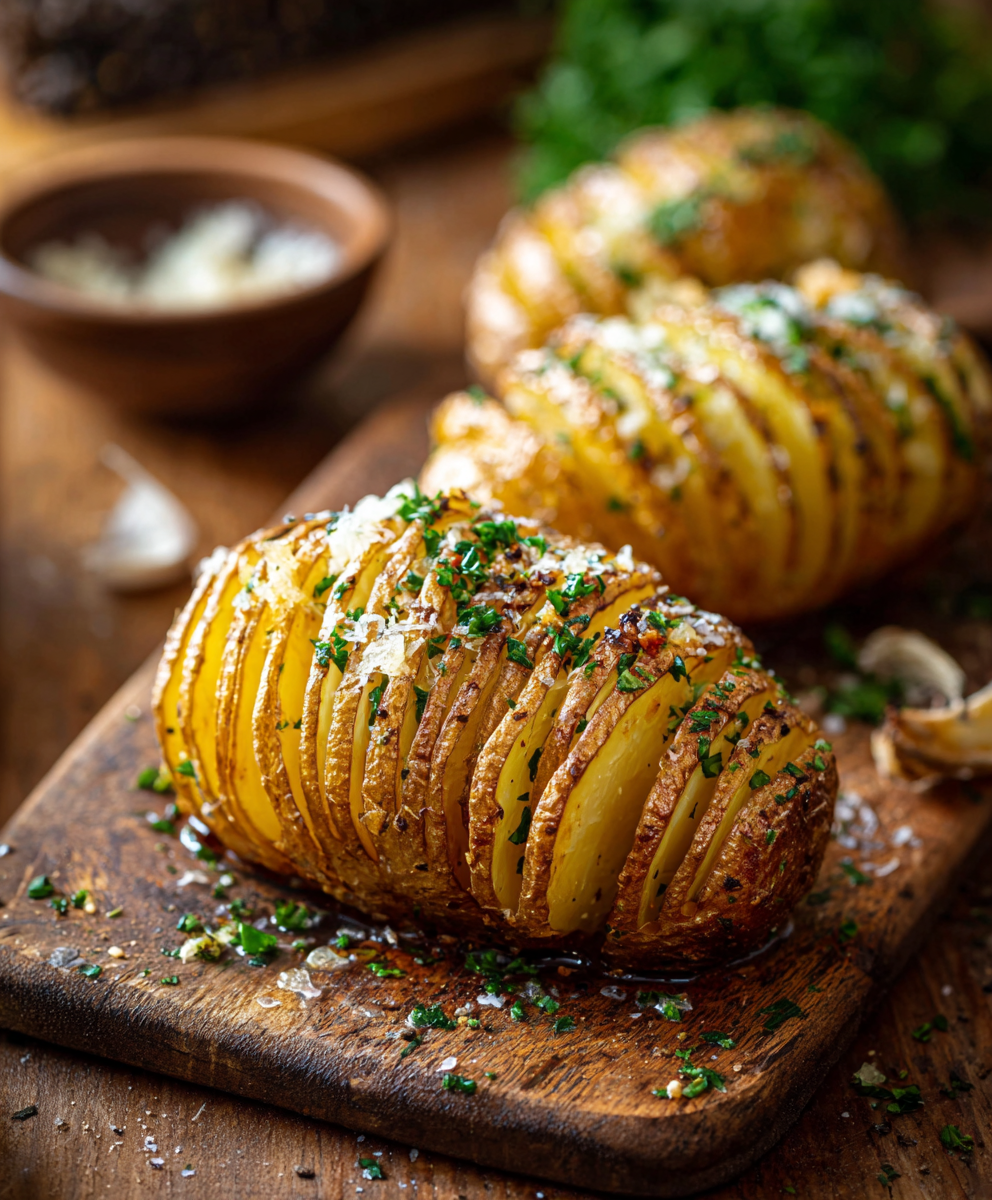
Thinly sliced, buttery, and golden-brown Hasselback potatoes—an easy, show-stopping side that crisps on the outside and stays tender inside.
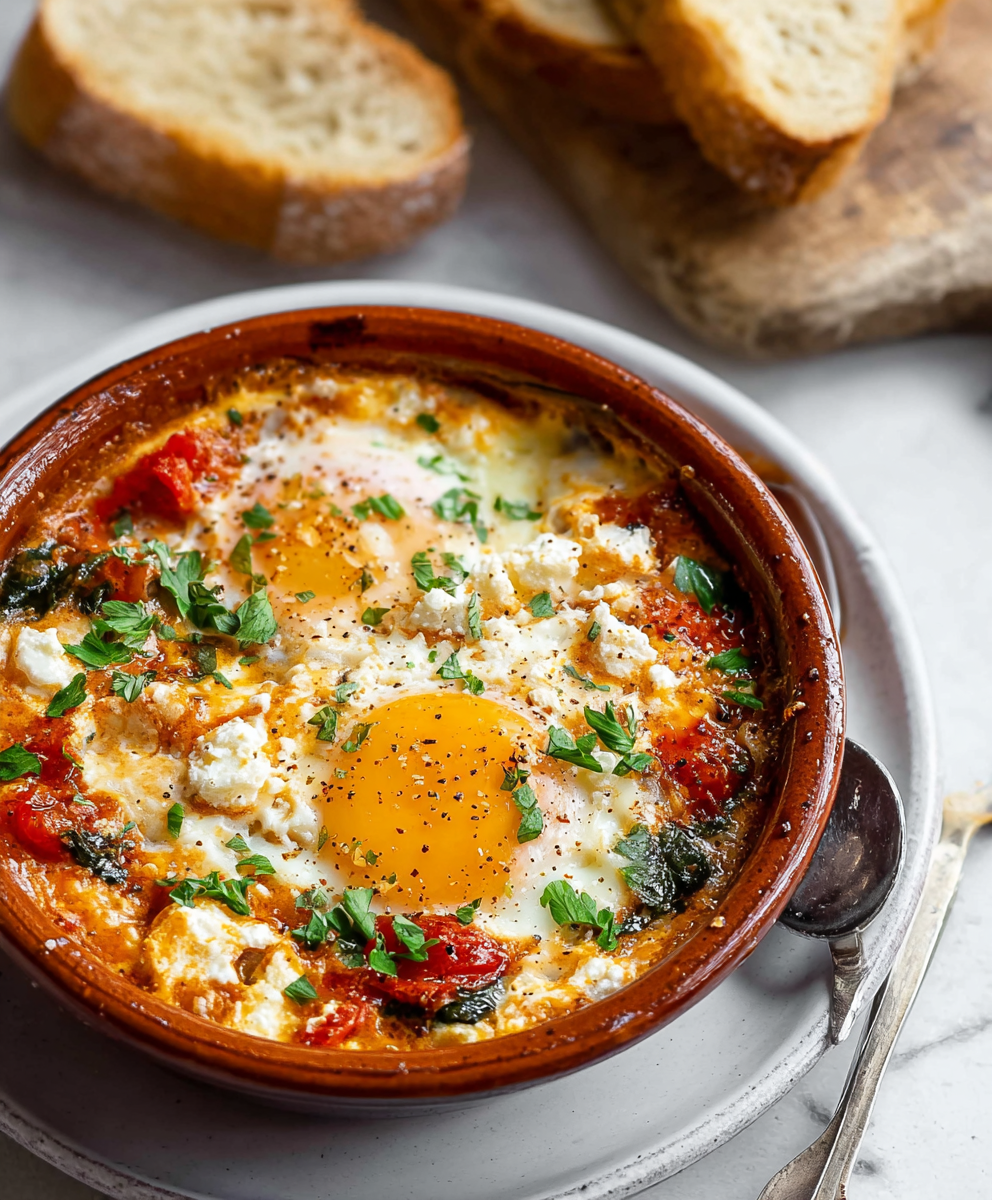
A vibrant oven baked dish of roasted tomatoes, tender feta, wilted spinach and baked eggs. Bright, tangy and perfect for breakfast or brunch with crusty bread.
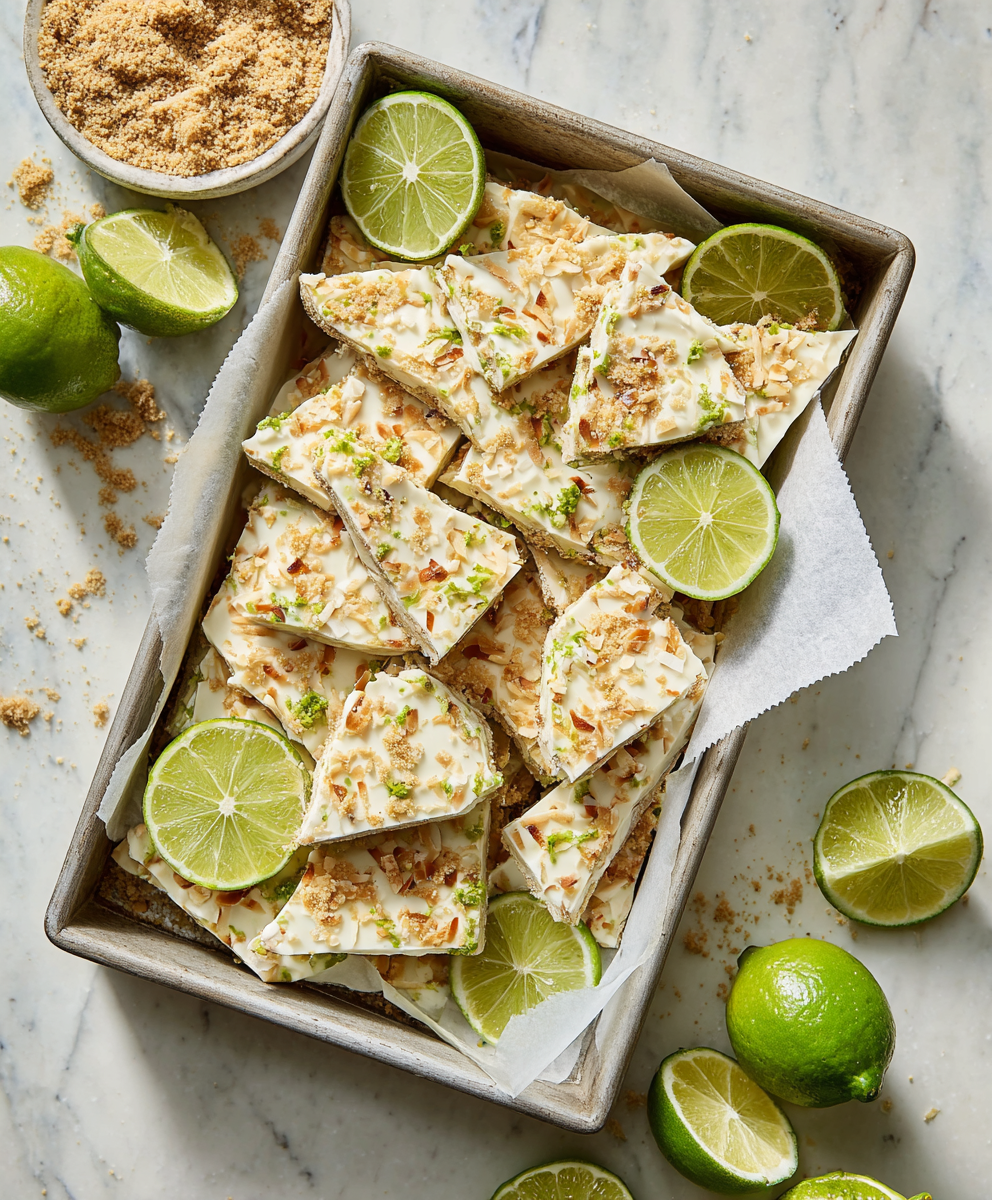
A bright, protein-packed frozen treat that captures the tart-sweet charm of key lime pie in a simple yogurt bark — perfect for hot days, make-ahead snacks, and gluten-free diets.
Leave a comment & rating below or tag @cozycookscorner on social media!
Enjoyed this recipe? Share it with friends and family, and don't forget to leave a review!
This recipe looks amazing! Can't wait to try it.
Comments are stored locally in your browser. Server comments are displayed alongside your local comments.

Join to receive our email series which contains a round-up of some of our quick and easy family favorite recipes.