>>
30-MINUTE MEALS! Get the email series now →


A tender, buttery 9-inch cake with a golden crust and delicate crumb — simple ingredients elevated by technique for a timeless French-style treat.
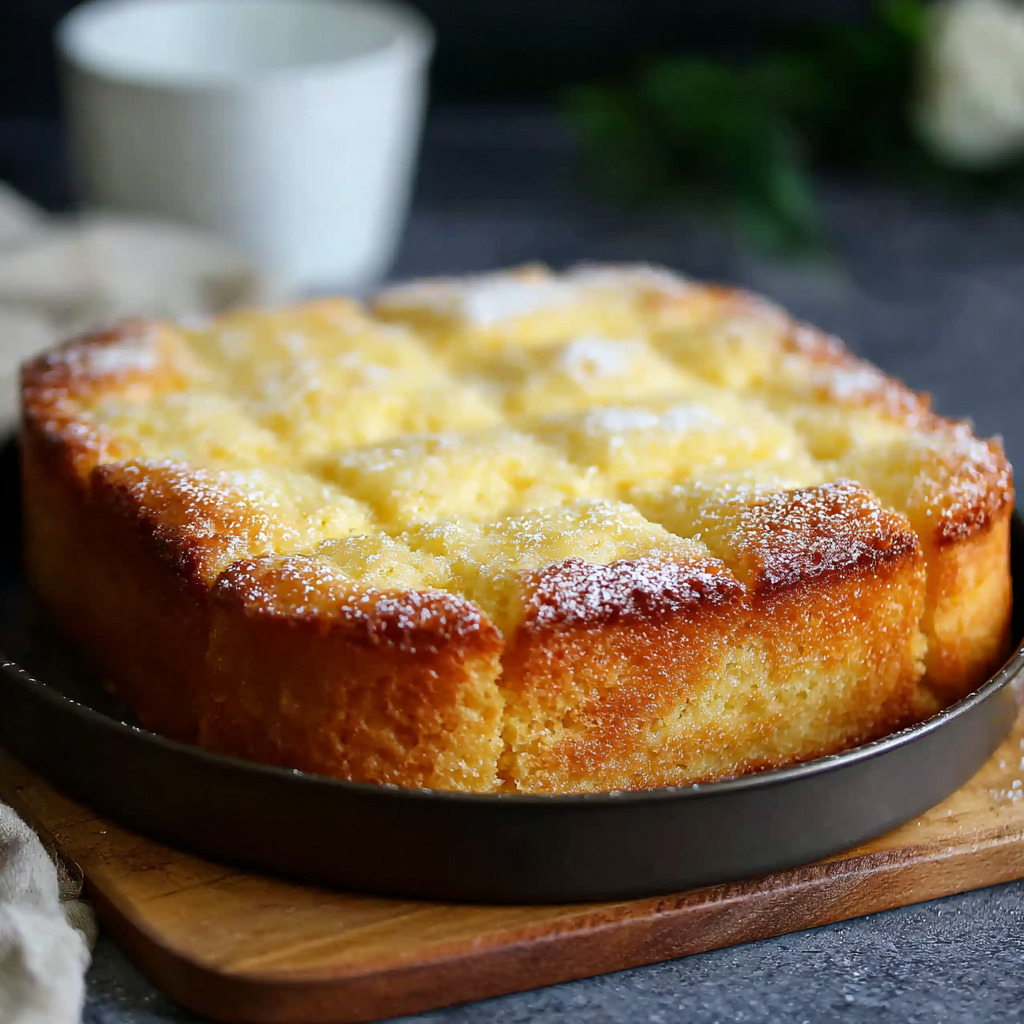
This French butter cake has been my go-to when I want something unfussy yet utterly comforting. I first learned this version on a rainy afternoon while trying to recreate the texture of a traditional French gâteau I tasted in a small Parisian bakery many years ago. The simplicity of the ingredient list—butter, sugar, eggs, flour, a splash of cream—belies the fine-bakery texture you can coax from home equipment. It’s the kind of cake that makes the kitchen smell like warm butter and caramelized sugar and invites everyone to gather with a cup of coffee.
I discovered the small tricks that turn a good loaf into a memorable one: room-temperature eggs for a stable emulsion, beating butter until pale and airy to trap microscopic air pockets, and a gentle fold of milk at the end to keep the crumb tender. The result is a cake with a golden, slightly crackled top and a tight, moist interior that slices cleanly. We’ve served it plain, dusted with powdered sugar, with a smear of jam, and alongside fruit-sweetened whipped cream—each time, it felt just right.
In my experience this cake becomes a family favorite quickly: my neighbor asked for the recipe after the first slice, and my partner keeps requesting it for weekend brunch. The best compliment is seeing the pan come back empty—kids and guests swoon over its buttery, almost melt-in-the-mouth crumb.
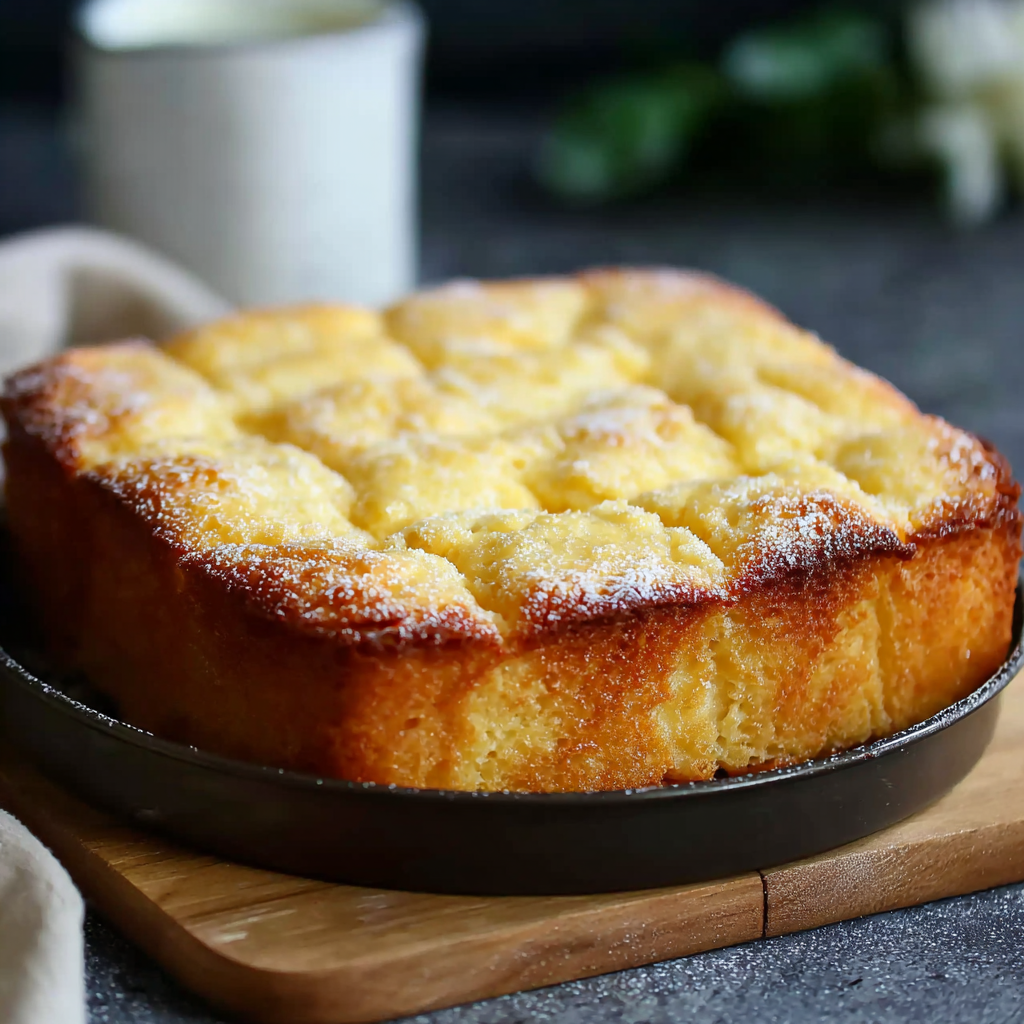
I love how this cake brings people together: it’s been present at birthday breakfasts, impromptu coffee calls with neighbors, and quiet afternoons when a slice and a book feel like the best company. Its simplicity is its charm—each variation I’ve tried highlights its buttery backbone without overpowering it.
For short-term storage, keep the cake at room temperature wrapped loosely with plastic wrap or in an airtight cake container for up to 48 hours. Because of the high butter content, refrigeration extends life to about 4 days—wrap the cake well to prevent moisture loss and odor transfer. For longer storage, slice and individually wrap pieces in plastic, place them in a freezer bag, and freeze for up to 3 months. Reheat slices gently in a 325°F oven for 8–10 minutes or microwave for 15–25 seconds to restore a freshly-baked feel; if reheating from frozen, allow to thaw in the fridge overnight before warming.
If you prefer a lighter crumb, substitute half of the butter with neutral-flavored oil (such as canola) but expect a slightly different mouthfeel and flavor. You can swap whole milk for an equal amount of buttermilk for a tangier profile and slightly more tender crumb. For a richer cake, use heavy cream in place of milk. To make it gluten-free, replace the flour with a 1-to-1 gluten-free baking blend and add a teaspoon of xanthan gum if it’s not included in the blend—texture will be slightly different but still delicious. Reduce sugar by up to 1/4 cup if you prefer less sweetness; the structure remains stable.
Serve slices warm with a dusting of powdered sugar and a spoonful of jam for brunch, or pair with lightly sweetened whipped cream and fresh berries for dessert. For breakfast, toast a thick slice and top with a smear of almond butter and sliced banana. On special occasions, present with a citrus glaze or a thin layer of apricot jam warmed and brushed on top to create a glossy finish. Garnish with finely grated lemon zest or a few toasted almond slivers to add contrast and texture.
This style of butter-forward cake is inspired by classic French patisserie approaches where technique highlights simple ingredients. French home baking often favors a tight, buttery crumb that showcases the butter’s flavor, rather than relying on heavy frostings. While not a named regional specialty, the cake sits in the tradition of French tea cakes and goûter (afternoon snack) items—simple, refined, and built for sharing with coffee or tea.
In summer, fold in a handful of raspberries or blueberries right before pouring the batter—toss them lightly in a tablespoon of flour to prevent sinking. In autumn, add a teaspoon of ground cinnamon and swap 1/4 cup of sugar for dark brown sugar for a warm flavor. For winter holidays, add a tablespoon of orange zest and top with a drizzle of orange-infused icing. Each seasonal swap changes the aroma and experience while keeping the cake’s buttery foundation intact.
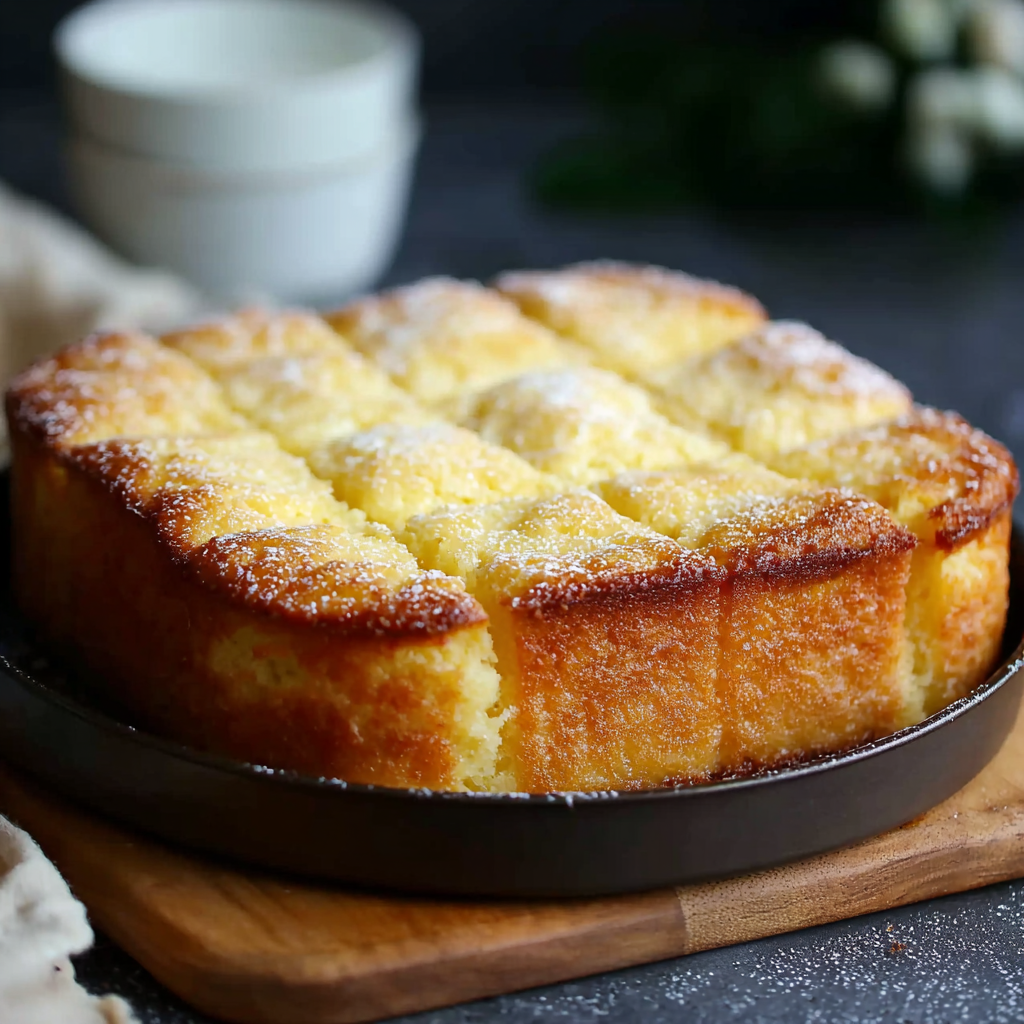
To prepare ahead for gatherings, bake the cake up to two days in advance and store it wrapped at room temperature. For buffet service, pre-slice into wedges and arrange on a platter covered with plastic to keep moist. If you’re assembling gift boxes, wrap individual slices in parchment and tie with twine—include a small note suggesting gentle reheating to replicate fresh-baked warmth. Use shallow containers to avoid compressing the cake when refrigerating or freezing.
Ultimately, this butter-forward cake is about comfort and technique. It rewards small attentions—room-temperature ingredients, careful creaming, and gentle mixing—and in return gives you a slice that tastes like a quiet celebration. Try your favorite variation and make it a little tradition in your own kitchen.
Use room-temperature eggs and butter to ensure a stable emulsion and even rise.
Measure flour by spooning it into the cup and leveling off to avoid a dense cake.
Beat butter and sugar until pale and airy—this step is key to a tender crumb.
Tent with foil if the top becomes too dark and rotate the pan halfway through baking for even color.
This nourishing classic french butter cake recipe is sure to be a staple in your kitchen. Enjoy every moist, high protein slice — it is perfect for breakfast or as a wholesome snack any time.
If the top is browning too quickly, tent the cake loosely with foil after about 25 minutes and continue baking until a toothpick comes out clean.
Allow the cake to cool in the pan for 10–15 minutes, then invert onto a wire rack. Removing it too early can cause the center to sink while removing it too late can make it stick.
This Classic French Butter Cake recipe makes perfectly juicy, tender, and flavorful steak every time! Serve with potatoes and a side salad for an unforgettable dinner in under 30 minutes.
Preheat oven to 350°F (175°C). Grease a 9-inch cake pan and line the bottom with parchment paper for easy release.
Beat softened butter and sugar on medium speed until pale and fluffy, about 3–5 minutes. This step incorporates air for lift.
Add eggs one at a time, beating after each addition to maintain an emulsion and stable batter.
Whisk flour, baking powder, and salt together. Add to the wet ingredients on low speed until just combined to avoid gluten development.
Pour in milk or cream and mix until smooth. Do not overbeat; the batter should be thick but pourable.
Transfer batter to pan and bake 40–50 minutes until golden and a toothpick comes out clean. Cool in pan 10–15 minutes, then transfer to a wire rack.
Last Step: Please leave a rating and comment letting us know how you liked this recipe! This helps our business to thrive and continue providing free, high-quality recipes for you.
Leave a comment & rating below or tag
@cozycookscorner on social media!
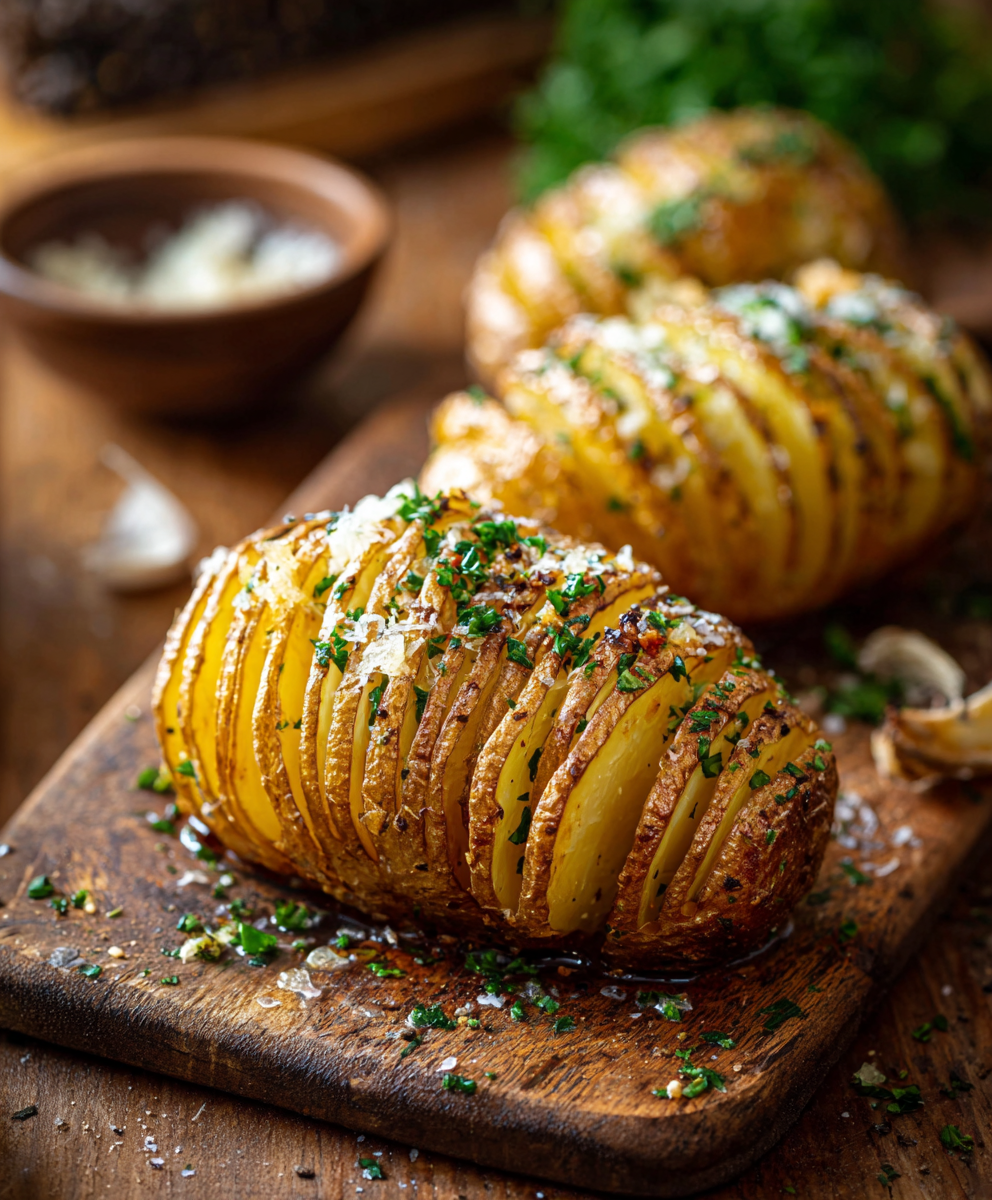
Thinly sliced, buttery, and golden-brown Hasselback potatoes—an easy, show-stopping side that crisps on the outside and stays tender inside.
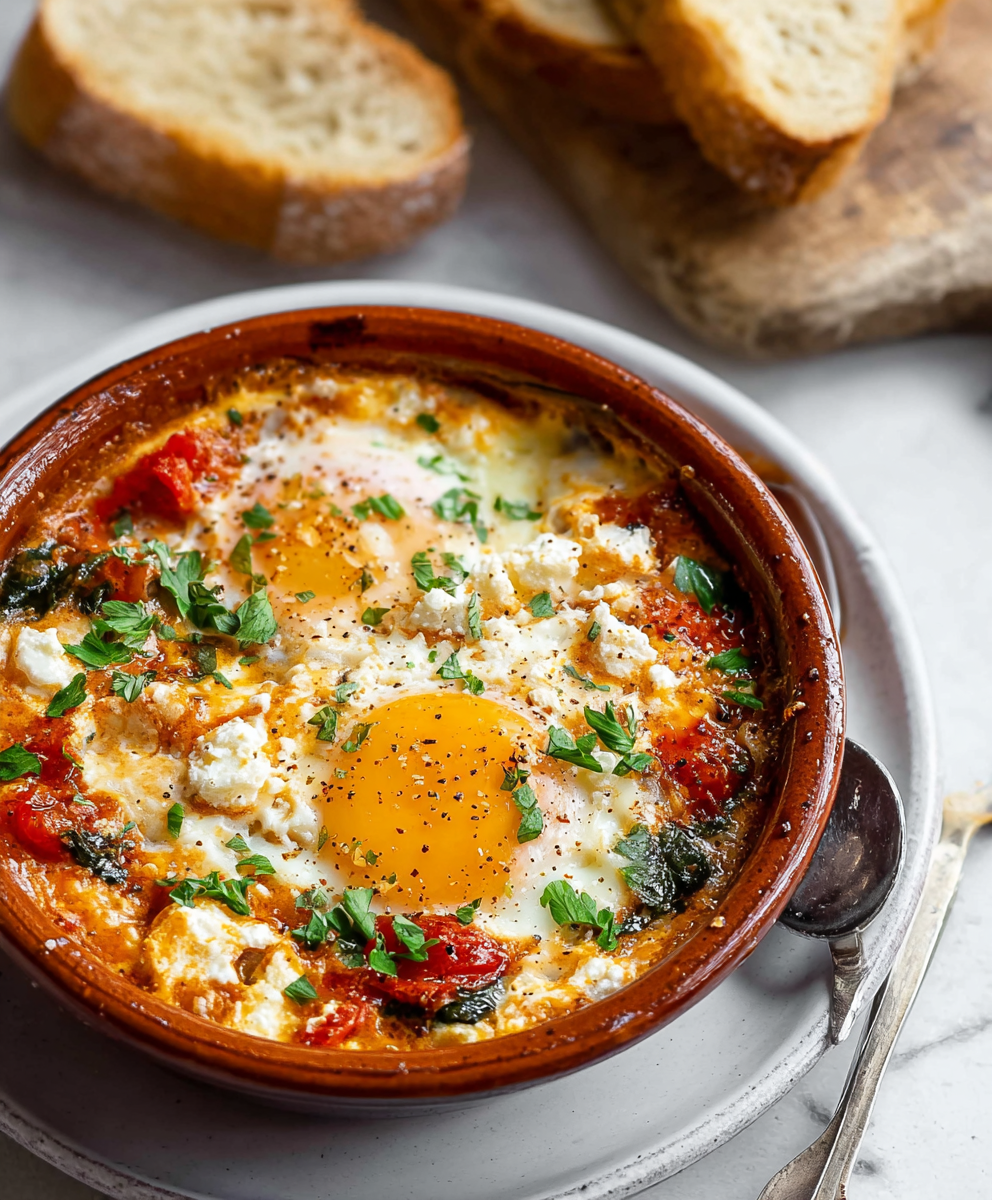
A vibrant oven baked dish of roasted tomatoes, tender feta, wilted spinach and baked eggs. Bright, tangy and perfect for breakfast or brunch with crusty bread.
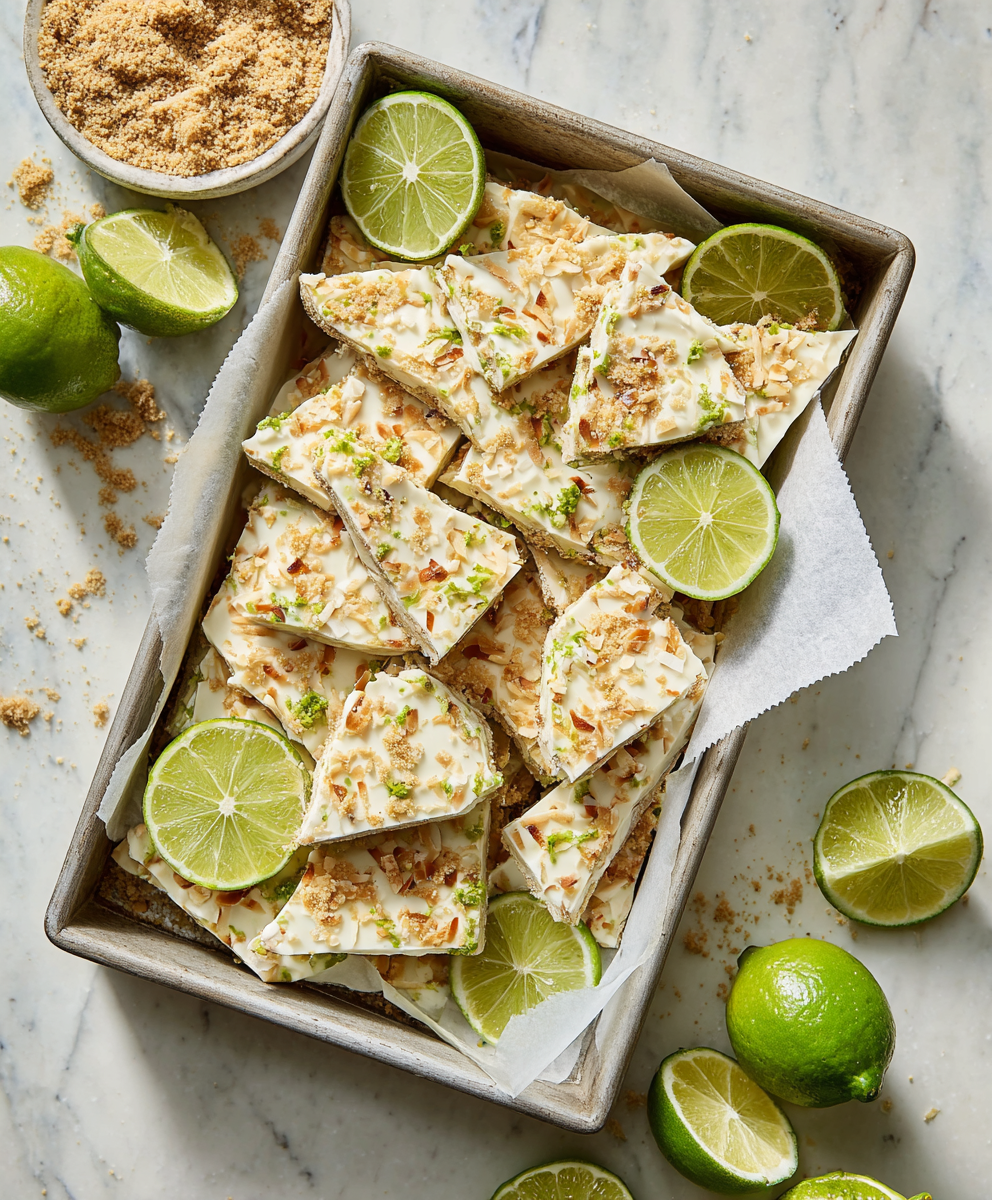
A bright, protein-packed frozen treat that captures the tart-sweet charm of key lime pie in a simple yogurt bark — perfect for hot days, make-ahead snacks, and gluten-free diets.
Leave a comment & rating below or tag @cozycookscorner on social media!
Enjoyed this recipe? Share it with friends and family, and don't forget to leave a review!
This recipe looks amazing! Can't wait to try it.
Comments are stored locally in your browser. Server comments are displayed alongside your local comments.

Join to receive our email series which contains a round-up of some of our quick and easy family favorite recipes.